List of Projects
- Research Projects
- Design Projects
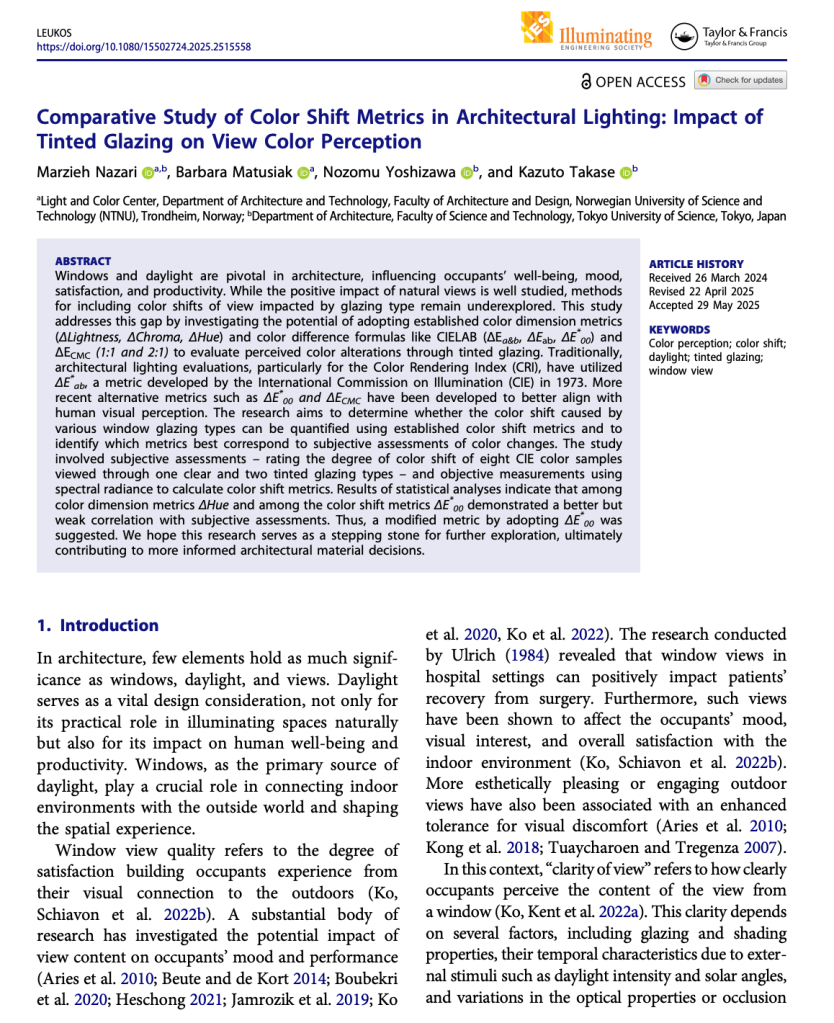
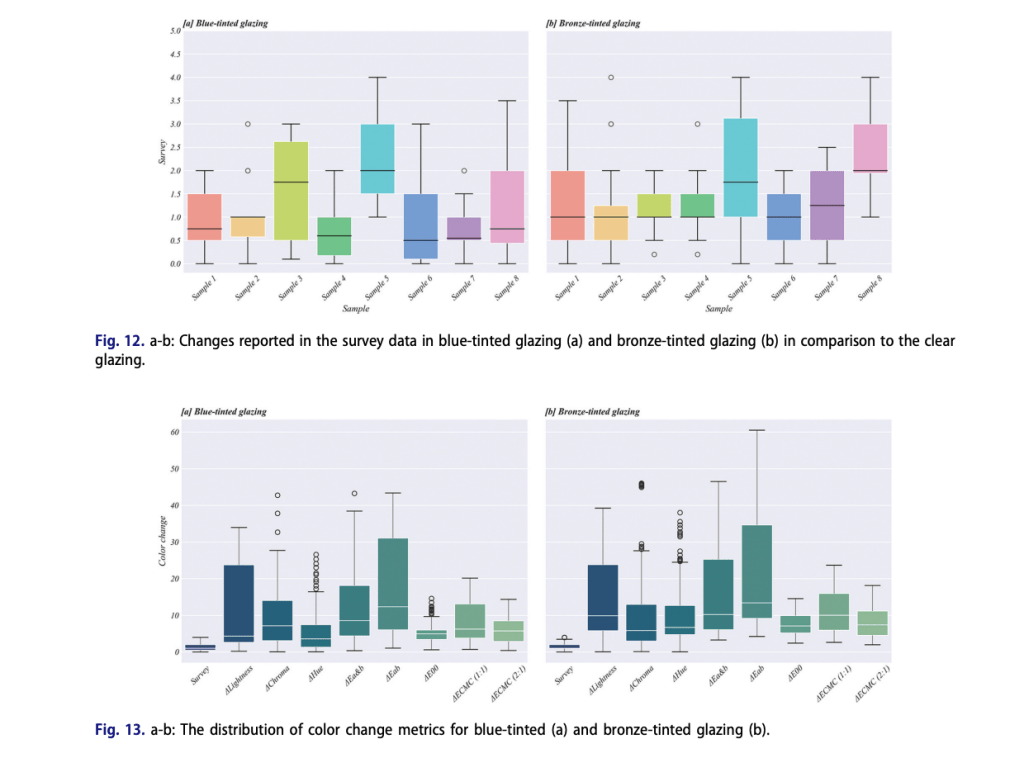
Research: Comparative Study of Colour Shift Metrics in Architectural Lighting: Impact of Tinted Glazing on View Colour Perception, published in LEUKOS, 2025.
The study examined how well existing colour-shift metrics can represent the way people actually perceive colour changes when looking through different tinted glazing. By combining objective spectral measurements with subjective ratings from participants in Norway and Japan, several standard colour-difference formulas were tested to see which best matched human perception. The study suggests that improving colour-shift metrics can better support accurate colour perception in architectural spaces, since these metrics form the foundation of calculations used not only for evaluating views through glazing but also for determining the Colour Rendering Index (CRI) in lighting design.

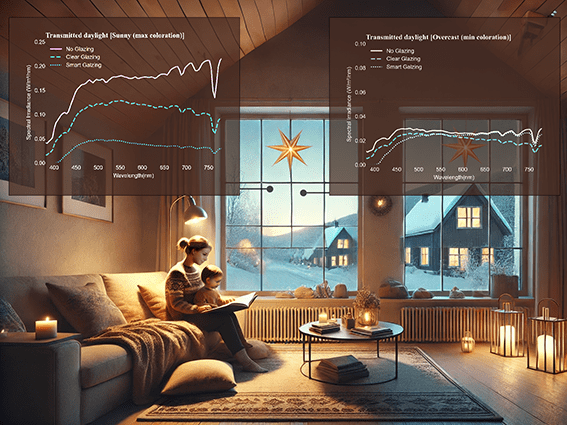
Winter Wellness via Window; Investigating the Non-Visual Effects of Daylight through Glazing in Nordic Architecture
The non-visual impacts of transmitted daylight via window glazing in the Nordic; presented in Light symposium 2024.
This study examines how daylight affects human health beyond visual aspects in architectural design, particularly in Nordic regions with limited winter daylight. It compares electrochromic and conventional glazing to assess their impact on circadian rhythms and neurobehavioral responses using simulations and measurements in Trondheim, Norway. Findings reveal that even clear glazing lacks adequate Melanopic EDI in winter, highlighting the need for integrated electric lighting to enhance non-visual health benefits and well-being in Nordic regions. #Research
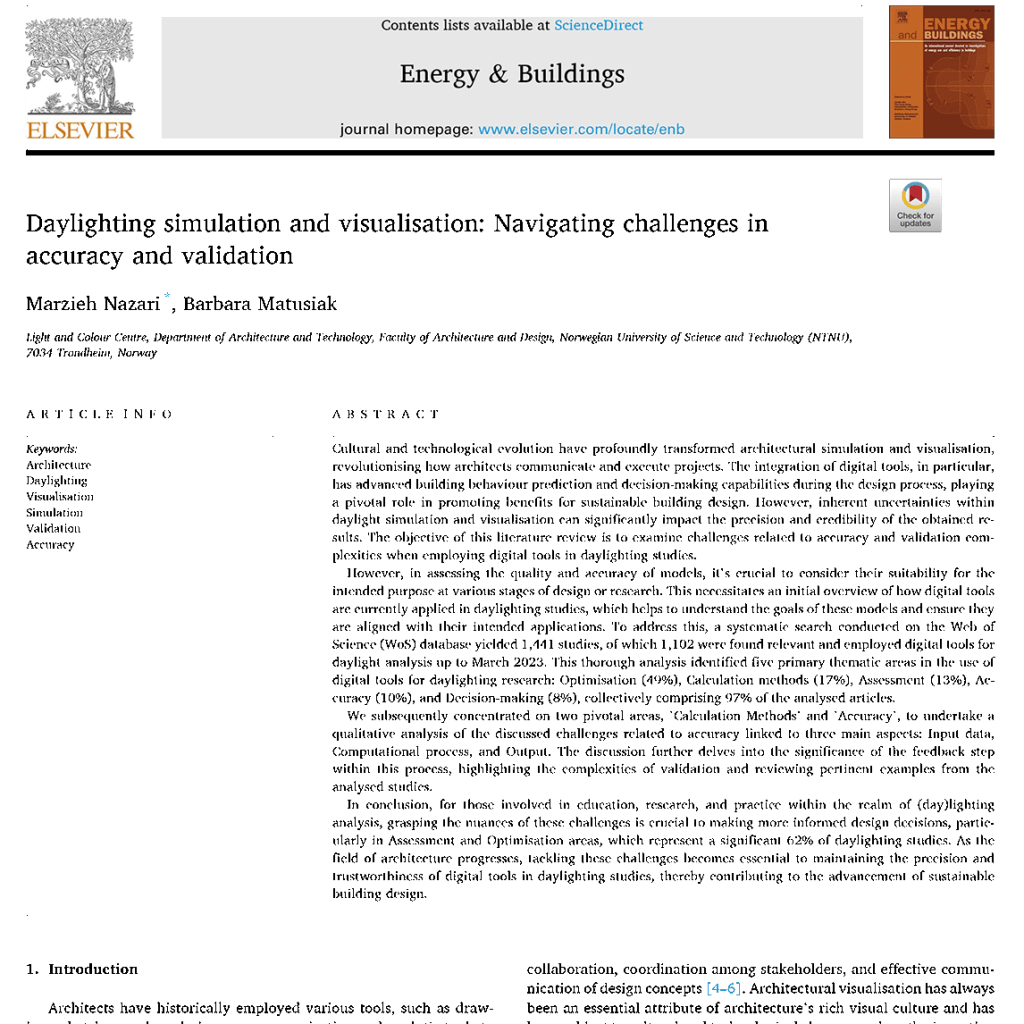
Research: Daylighting simulation and visualisation: Navigating challenges in accuracy and validation, published in Energy and Buildings, 2024.
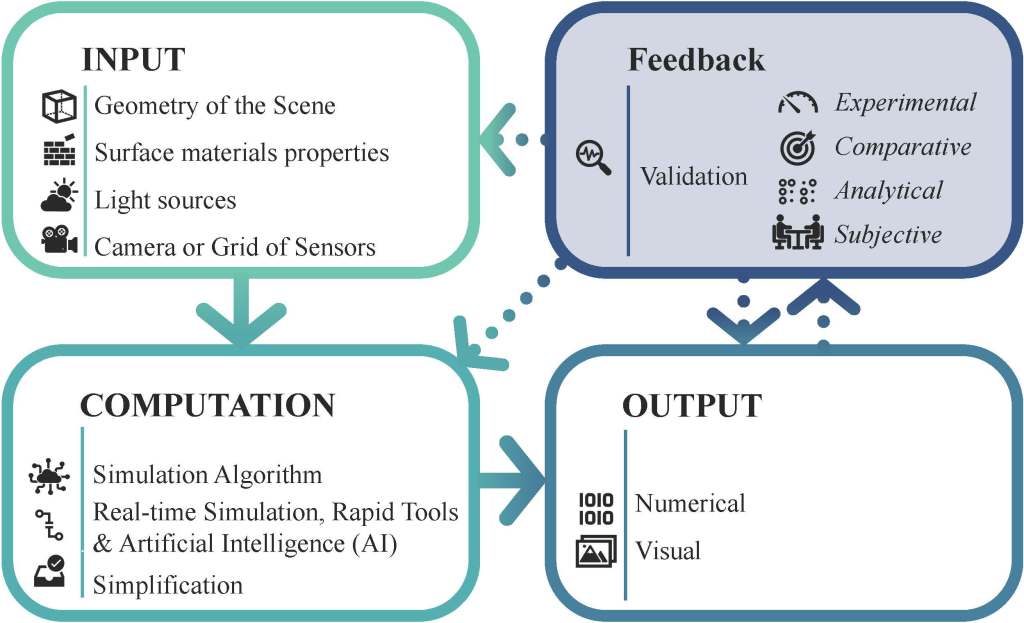
This literature review explores accuracy and validation challenges in using digital tools for daylighting studies. A systematic analysis of 1,102 studies reveals five primary themes: Optimisation (49%), Calculation Methods (17%), Assessment (13%), Accuracy (10%), and Decision-Making (8%). We qualitatively analysed accuracy challenges related to Input Data, Computational Process, and Output, highlighting the importance of feedback, validation complexities, and pertinent examples from the studies.
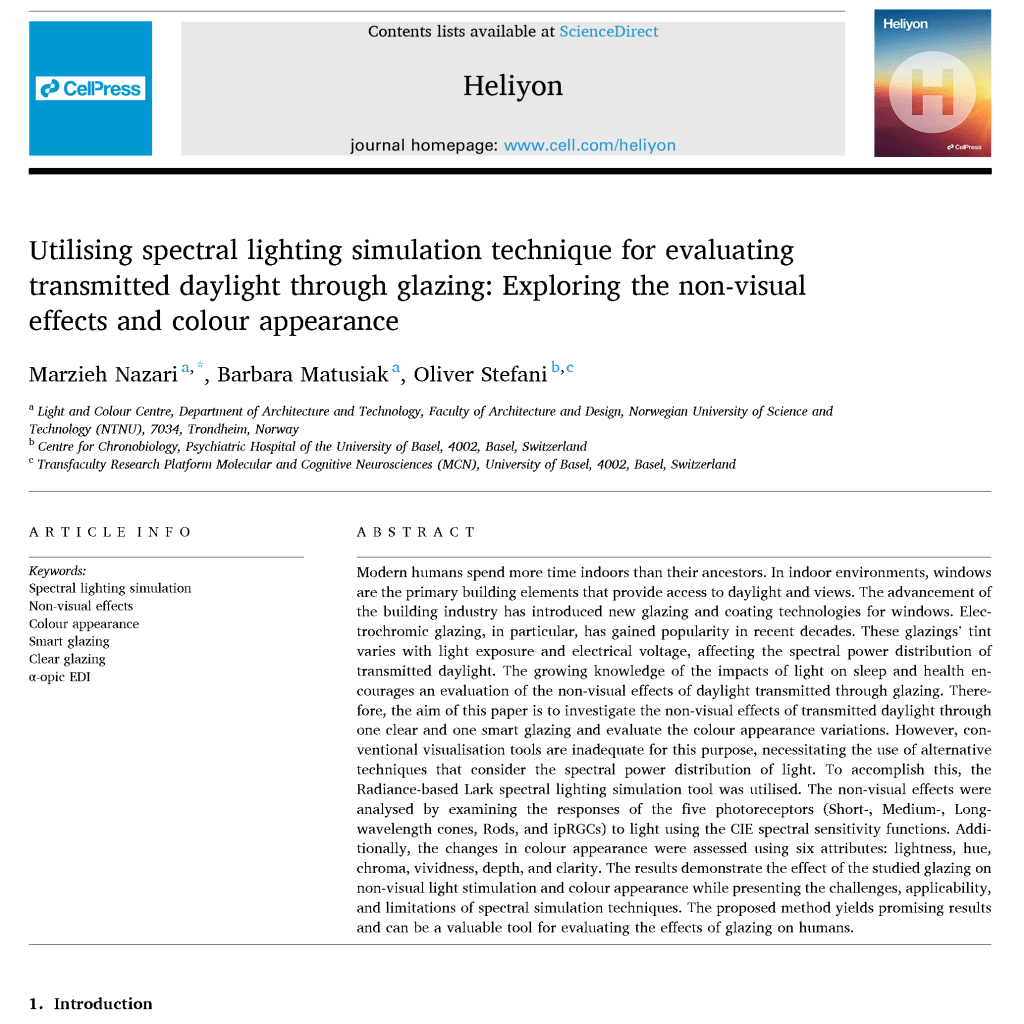
Research Utilising spectral lighting simulation technique for evaluating transmitted daylight through glazing: Exploring the non-visual effects and colour appearance, published in Heliyon, 2023.
The paper investigates the daylight transmitted through glazing types. The Radiation-Based Lark spectral lighting simulation tool was utilised for analyses of the spectral power distribution of light. The non-visual effects were analysed by examining the responses of five photoreceptors (s-, m-, l—cones, rods, and ipRGCs) using CIE spectral sensitivity functions. Colour appearance was assessed using six attributes: lightness, hue, chroma, vividness, depth, and clarity.
Research ‘Personas for lighting’. Three methods to develop personas for the indoor lighting environment, published in Energy and Buildings, 2023.
This research compares three methods for creating “personas for lighting” to understand user behaviour in lighting environments. Method one used interviews with 87 users, method two combined interviews and workshops, and method three involved an online survey with 694 participants. In total, 26 personas were developed, reflecting user satisfaction in various lighting conditions. While applicable to different buildings, each method’s limitations affect the personas.
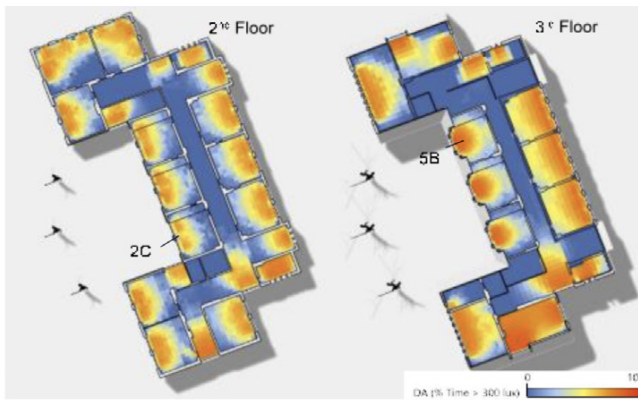
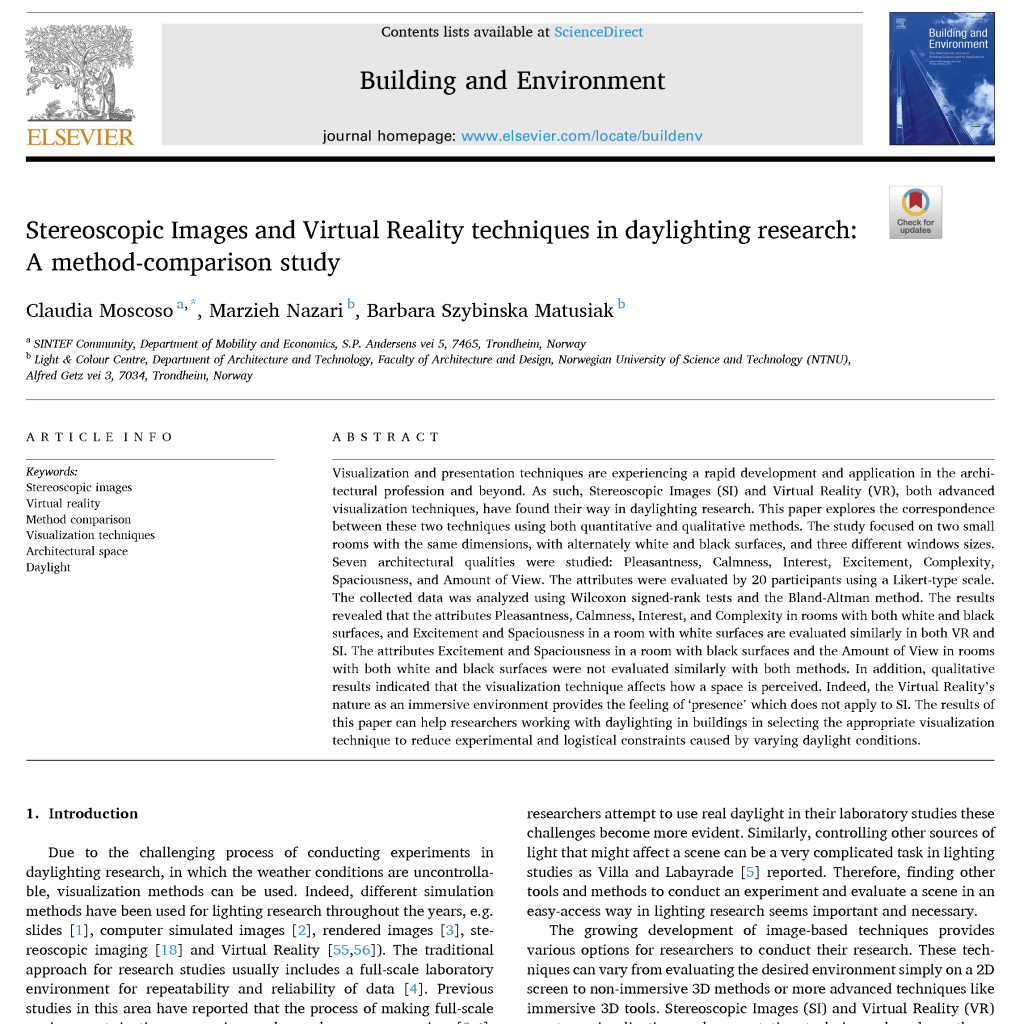
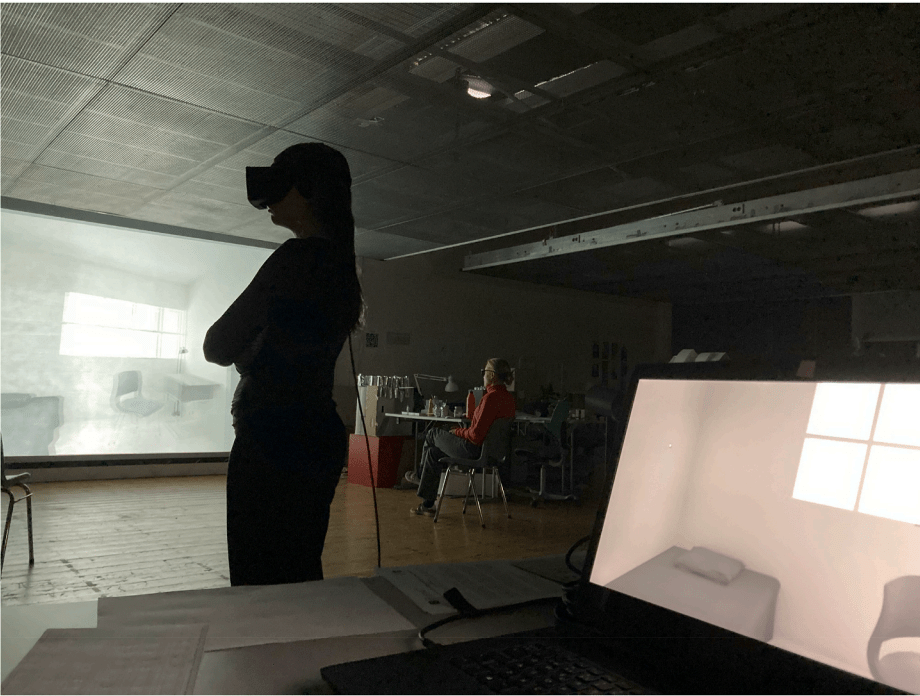
Research Stereoscopic Images and Virtual Reality techniques in daylighting research: A method-comparison study, published in Building and Environment, 2022.
This paper examines Stereoscopic Images (SI) and Virtual Reality (VR) techniques using quantitative and qualitative methods. Twenty participants assessed seven architectural qualities—Pleasantness, Calmness, Interest, Excitement, Complexity, Spaciousness, and Amount of View. Analysis showed similar evaluations for some attributes in both VR and SI, while others differed. Qualitative results suggest VR’s immersive nature impacts space perception, offering a sense of ‘presence’ absent in SI.
Research project:
Research project:
Research project:
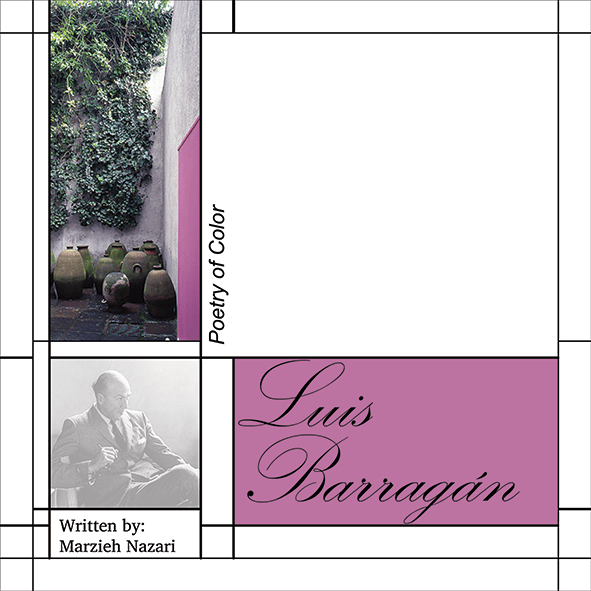
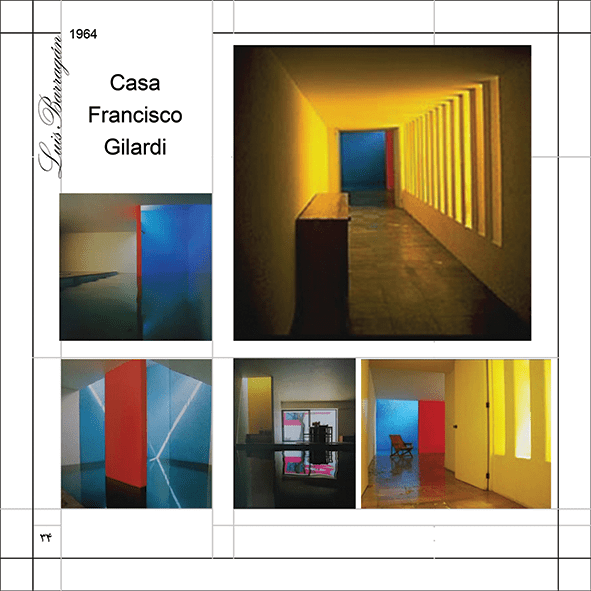
Report on Luis Barragán’s Life, architecture, light and colour
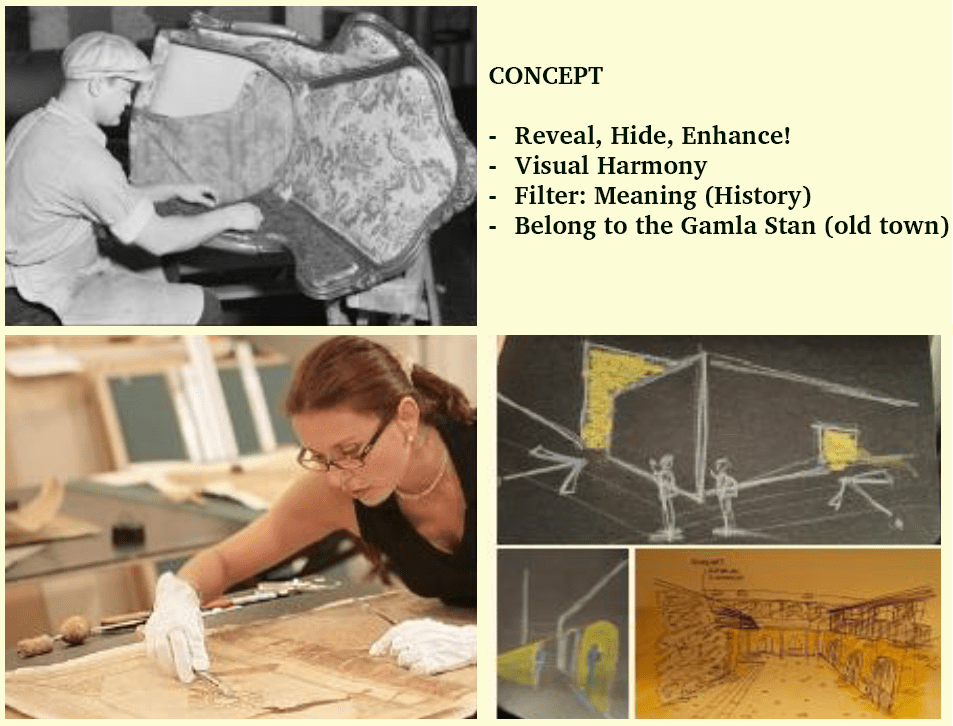
Lighting design project: Among the 3 best temporary projects in autumn 2018 in Sweden, selected by Ljusultur magazine.
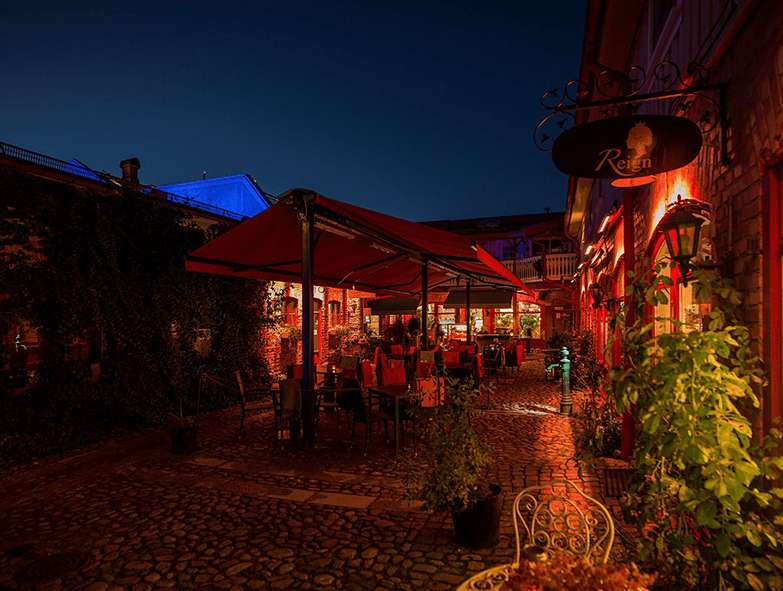
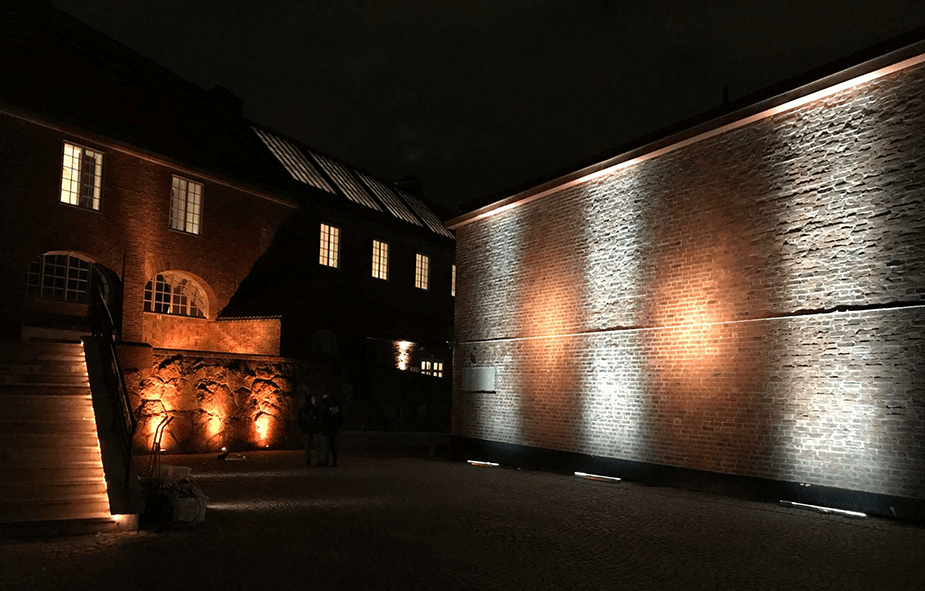
A historical courtyard in the oldest part of Alingsås city, featuring shops and a café. This place is rich with layers of history, developed over the centuries. The historical significance of the textile industry, iron trading, and ironmongery, as well as the café, provide a strong concept for the team to focus on elements that represent the original value of the location. The venue blends history with additional elements that enhance its charm.
Light in Alingsås 2018 Workshop, Site #2.
Head of Workshop: Dipa and Jaels.
Lighting design project: Lighting Design for Connection!
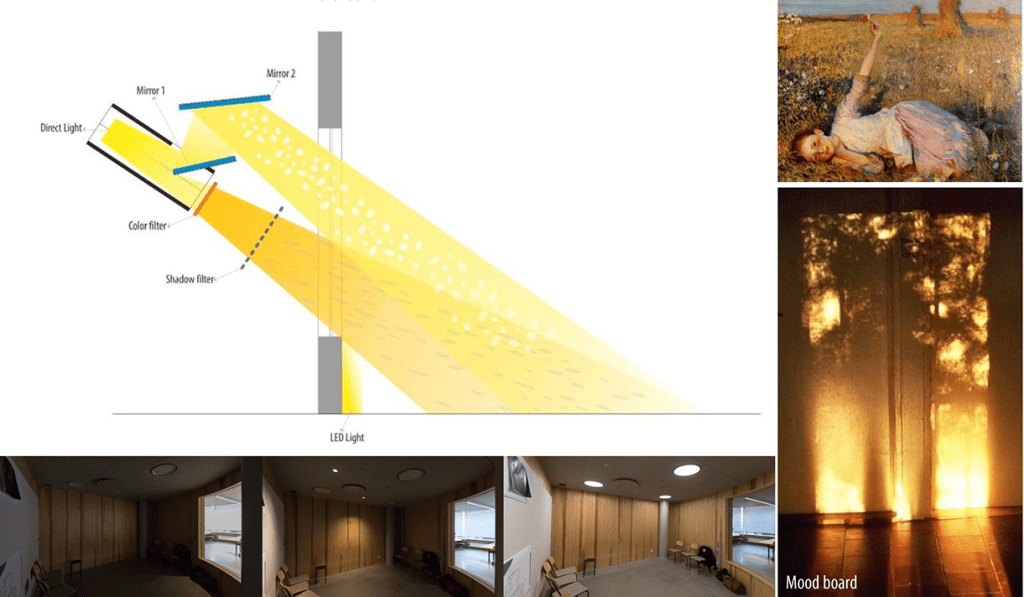
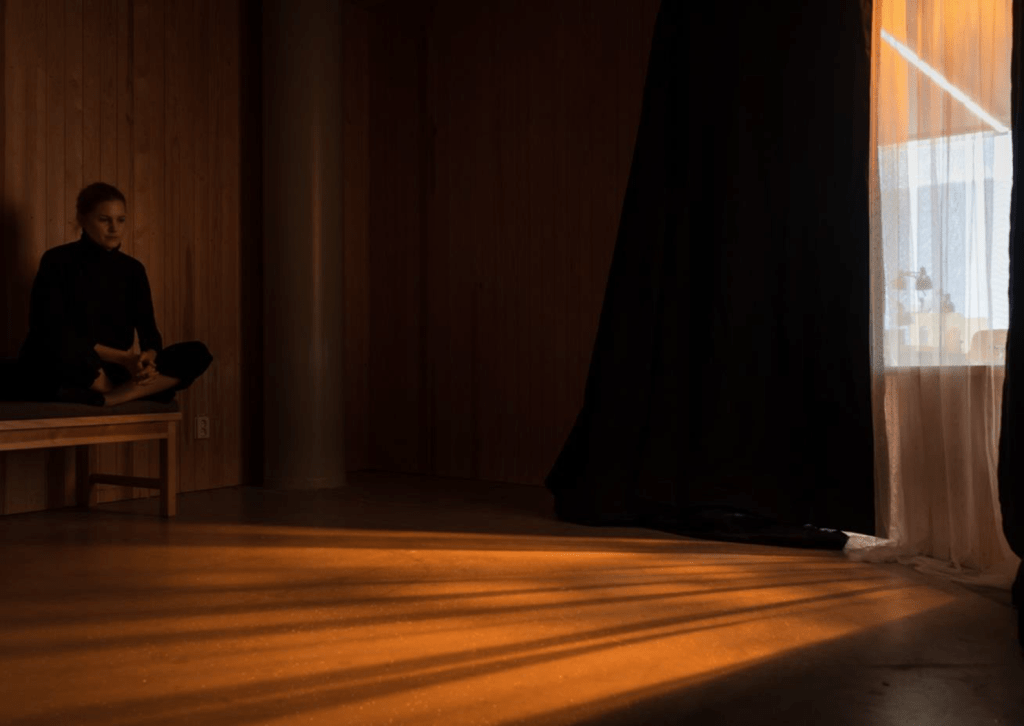
The room was situated in the heart of the architectural workshop, featuring the sole window that bridged the outdoor and indoor environments, where students engaged in their work. The project’s concept was designed to evoke the sensation of occupying the window façade of the building, fostering a seamless connection between the interior space and the natural surroundings.
Through the careful simulation of sunlight just before sunset, the lighting design cultivated a tranquil atmosphere within the core of the KTH architectural workshop. This particular meeting room, intended for relaxation and break times, was enhanced by the dynamic projection of tree shadows, subtly shifting across the room to create a calming, organic interaction with the space.
.
Outdoor lighting design project:
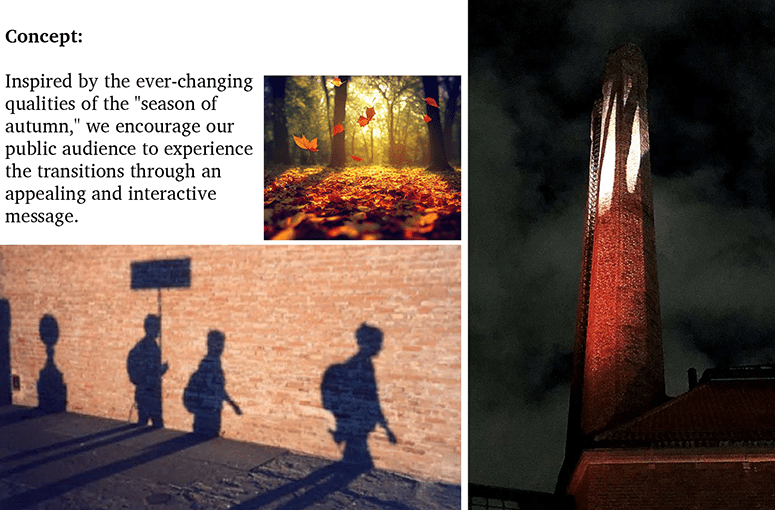
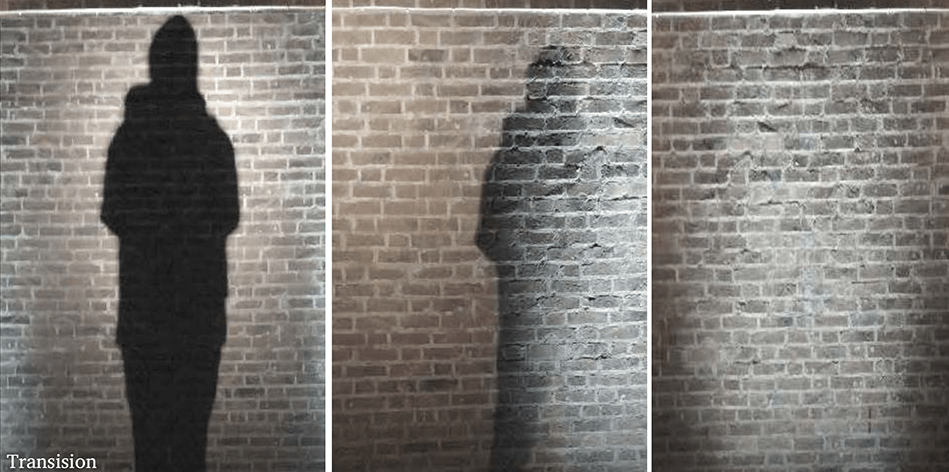
Through an interactive lighting installation, we invited individuals to embrace the beauty of change, as seen in the vibrant colours of autumn and the natural shifts occurring all around. Our goal was to create a memorable, immersive experience that highlighted the contrasts and subtle transformations of fall, the interactive experience allowed the audience to not only observe but actively participate in the transformation, referring to a personalised journey.
.
Multidisciplinary architectural and planning project: FUCMP
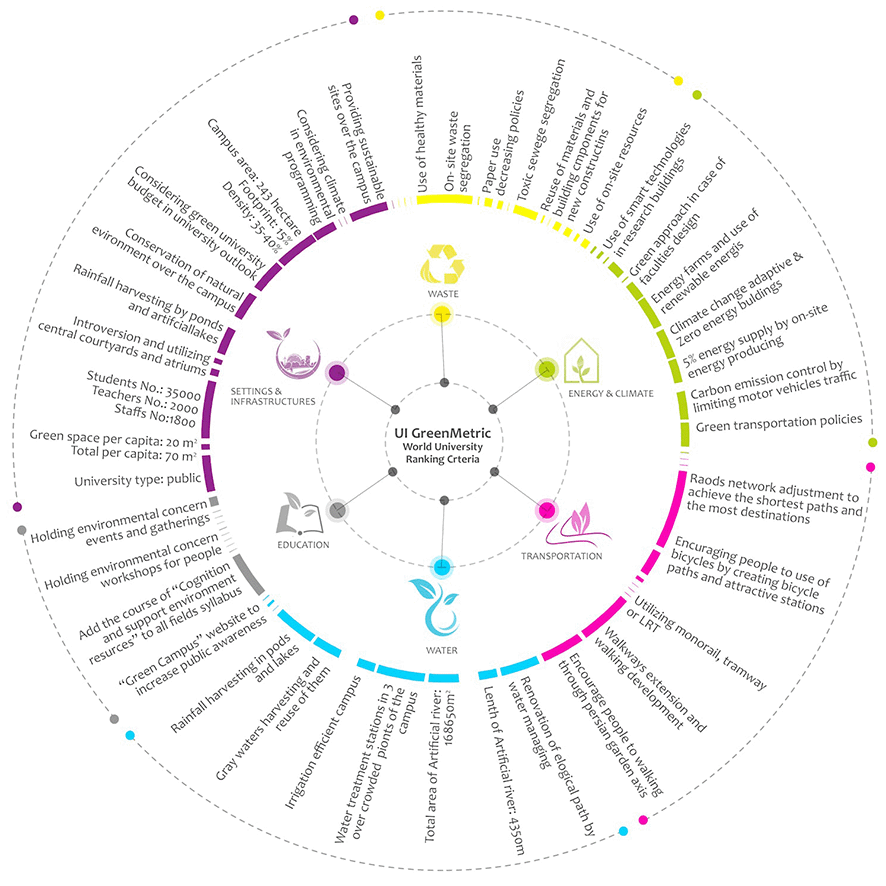
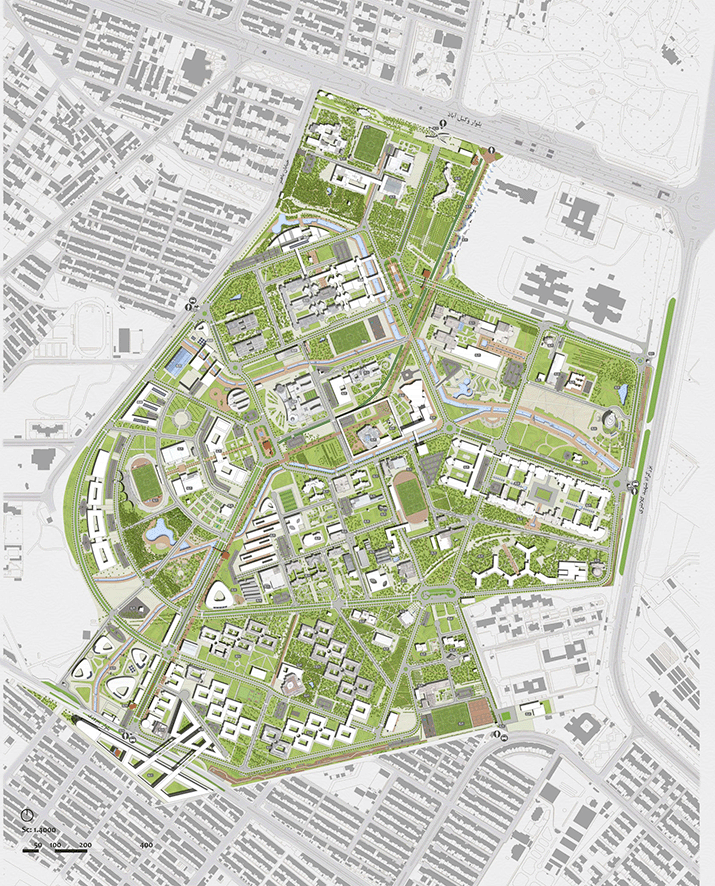
Creating an environmentally sustainable campus and green development. The ambition for achieving Design strategies criteria led the design team to focus on reducing environmental damage and spreading the use of renewable energies and green technologies. Ferdowsi University Campus Master Plan (FUCMP) programming, design and implementation can be categorised into 14 chapters: 1. Basic Studies; 2. Educational Programming; 3. Spatial- Physical Cognition; 4. University’s Buildings Identification; 5. Principles of University Spaces Design; 6. World Case Study; 7. Spatial Analysis of Campus Land uses; 8. Physical Programming Principles; 9. Campus Design Principles; 10. Transportation and Traffic; 11. Campus Signs; 12. Landscape and Environment; 13. Passive Defence; 14. Building and Construction Details.
Architectural design project: Green Tower
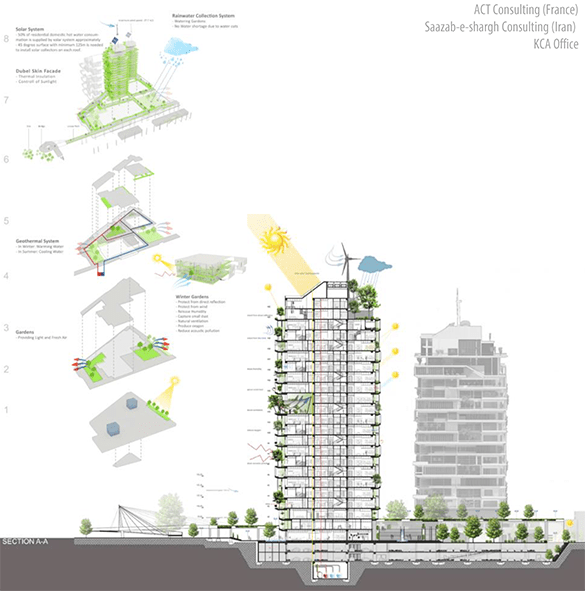
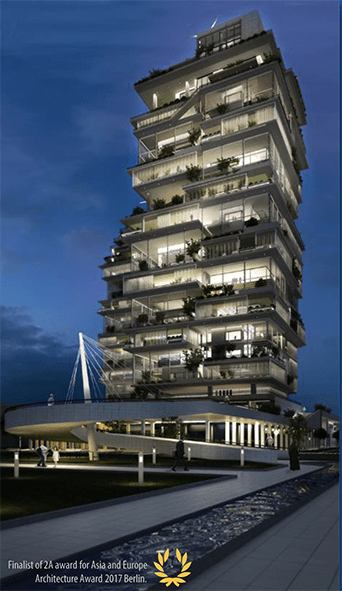
The Kowsar Residential Green Tower, is a green building project, spanning nearly one hectare. Pioneering sustainable architecture, it employs clean energy solutions like solar panels, wind turbines, geothermal systems, recycled water, and a double-skin façade to reduce fossil fuel use. Each unit features mechanised irrigated green yards, and the development includes a green roof and an elevated linear park with a bike path accessible to both residents and the local community, aiming to enhance quality of life and set a precedent for future sustainable living.
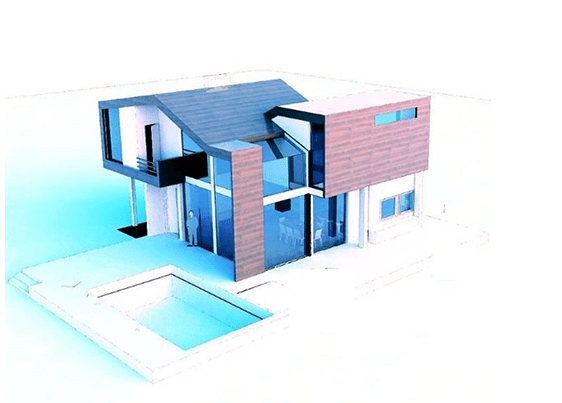
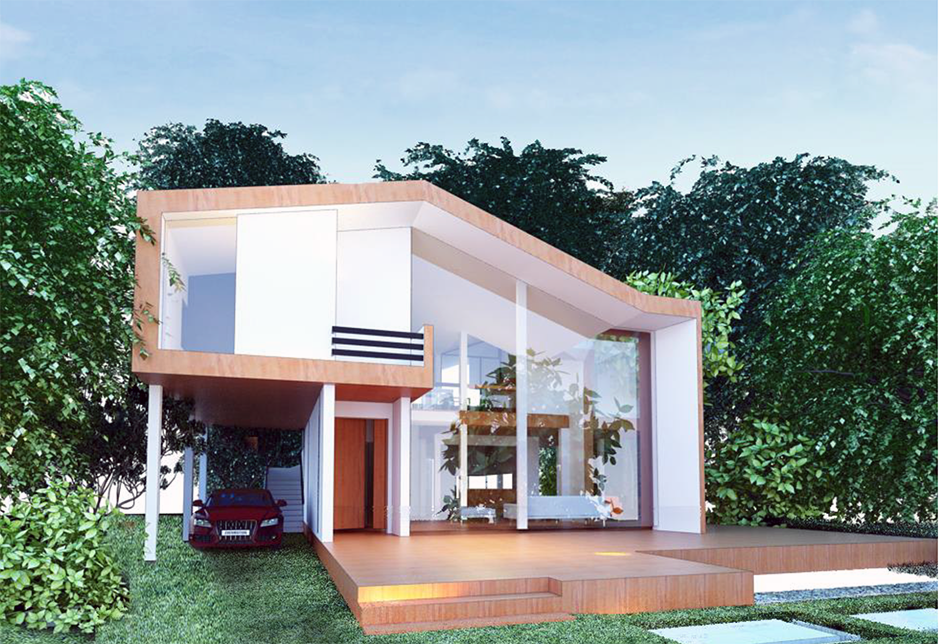
Architectural design project: Small private villa
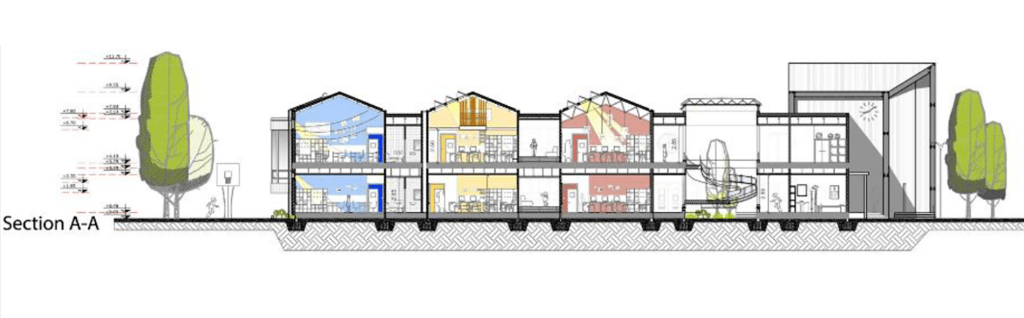
Architectural design project: Sustainable Schools #1
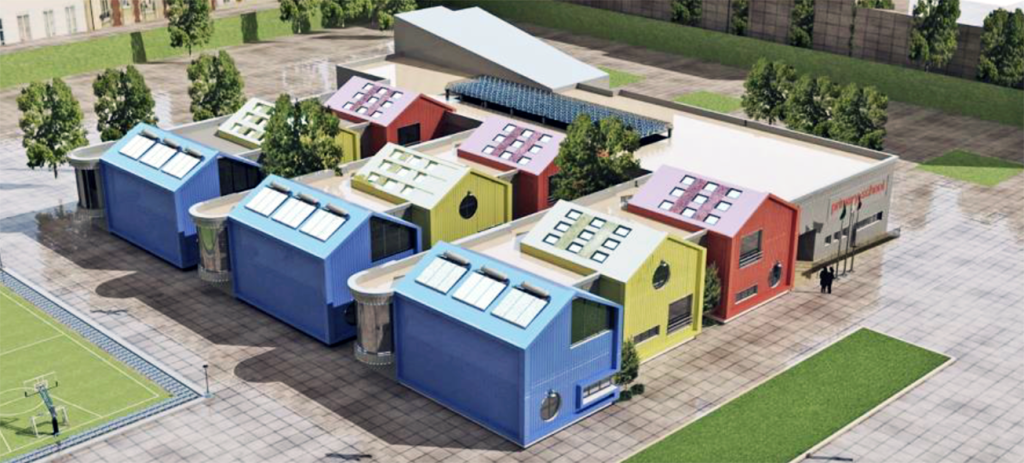
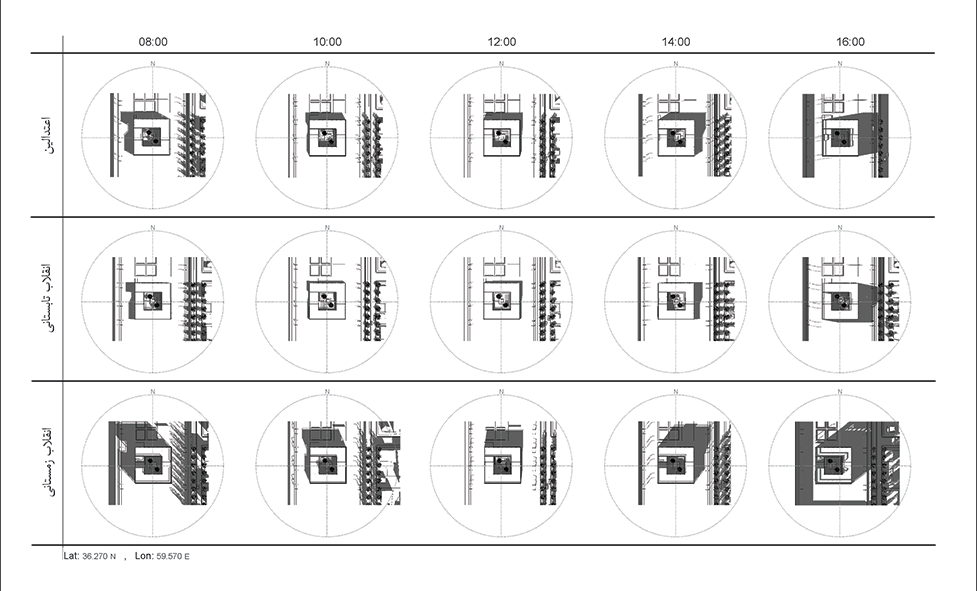
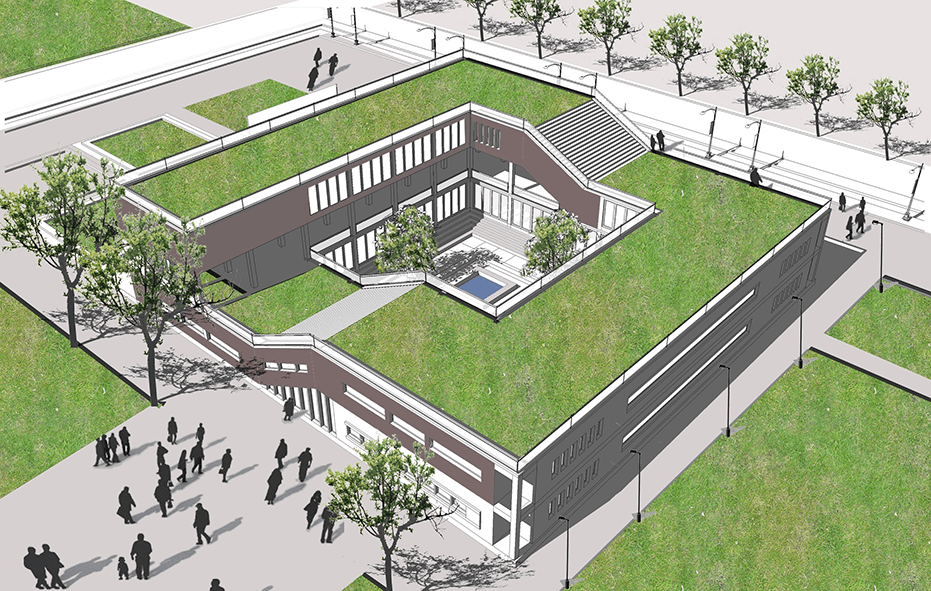
Architectural design project: Sustainable Schools #2
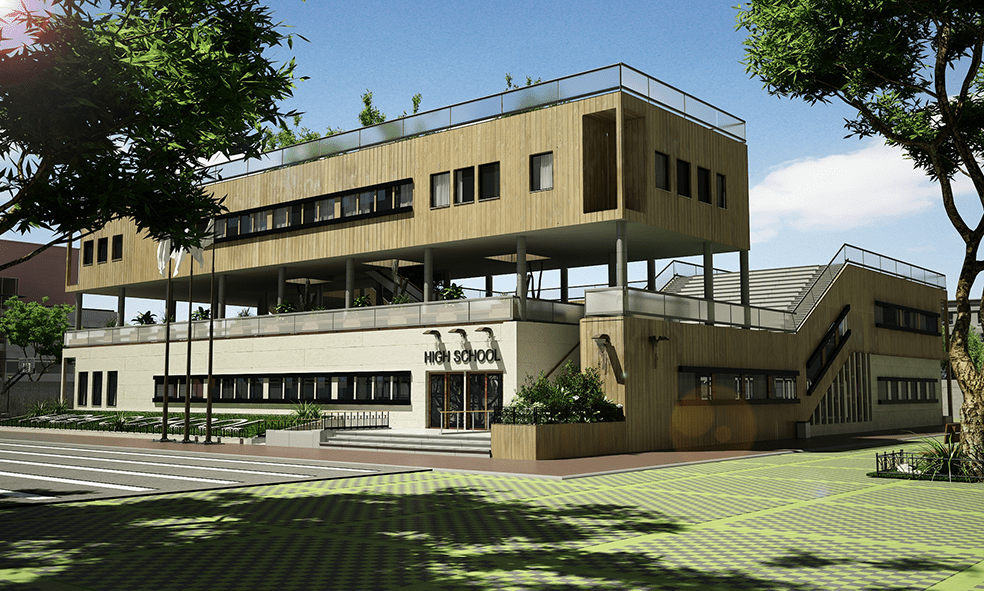
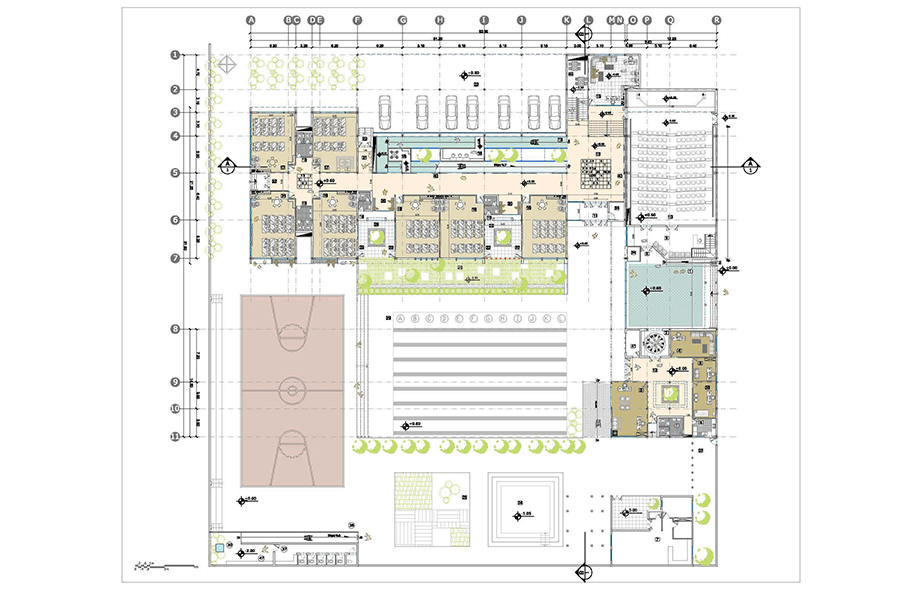
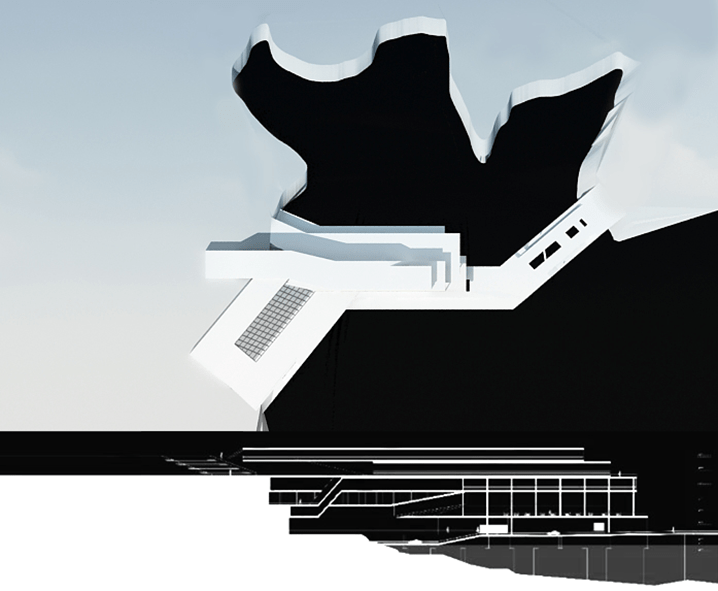
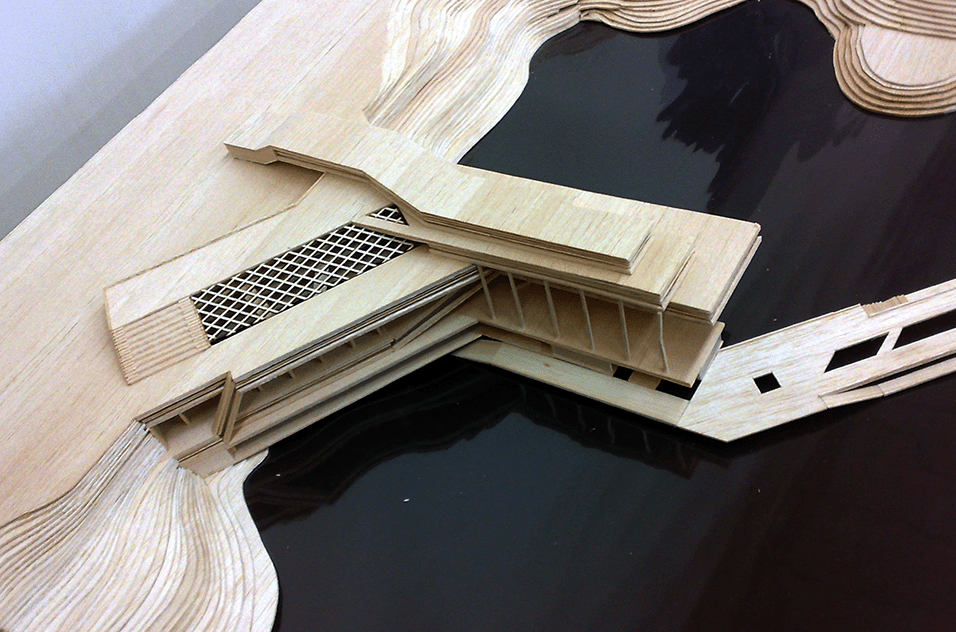
Architectural design project: Hotel
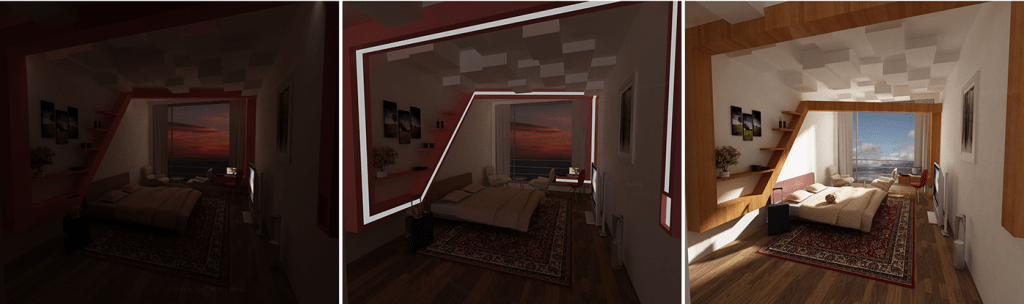
Interior design project:
 lightitudes.com